SA Rugby spends half a billion on national teams
- 181
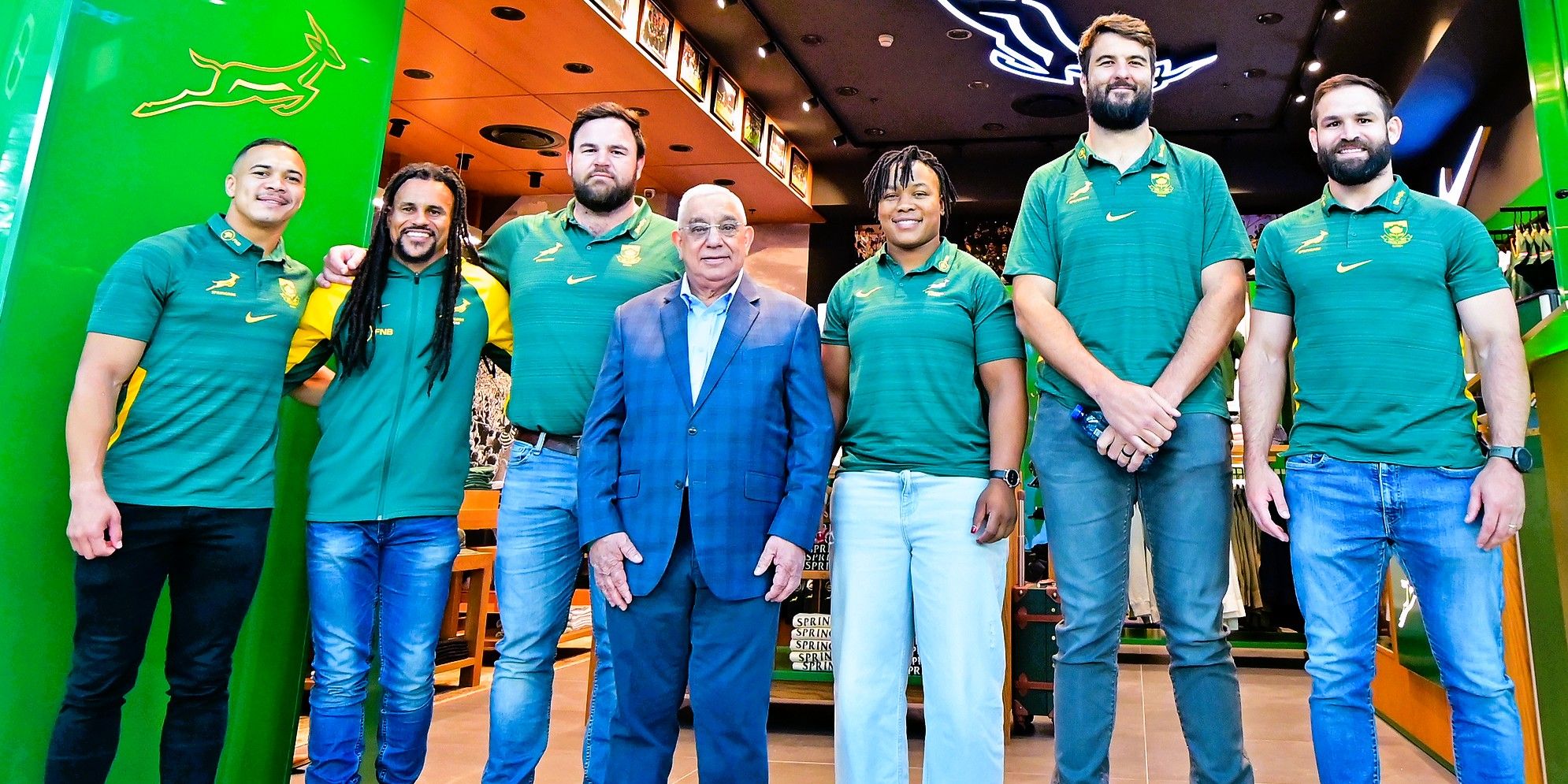
SA Rugby spent a quarter of its total income directly on the Springboks, Springbok Women, Springboks Sevens, Junior Boks and other national teams in 2025, according to the Annual Financial Statements, which were presented to member unions at Thursday’s Annual General Meeting in Cape Town.
SA Rugby’s group revenues increased by 29% from R1.5bn in 2024 to R2bn in 2025 with R500m spent directly on the Springboks (R281m) and the High-Performance Department (R221m) into which all other national teams fall.
Rian Oberholzer, CEO of SA Rugby, noted that the investment had borne immediate on-field dividends with the Springboks’ continued success mirrored by other national teams.
The Blitzboks won the HSBC SVNS World Championship in 2025 (and have extended that success into 2026), while the Junior Springboks won the U20 world title for the first time in 13 years in 2025, and claimed the SANZAAR U20 Rugby Championship title for the first time on Saturday.
It was also a breakthrough year for the Springbok Women as they reached the play-off stages of the Rugby World Cup for the first time and broke into the world’s top ten.
Those achievements were the product of the newly formed High-Performance Department, whose R221m expenditure included the costs of the high-performance centre in Stellenbosch and an expanded playing programme for national teams.
Another R195m was spent on national team players (and referees) – to secure their image rights for commercial purposes – as well as to insure them against injury. Direct investment into the 15 member unions saw R400m spent on the playing of the game in the form of distributions to members.
The increased revenues were in part fuelled by record sponsorship revenues, leaping by 51% from R488m to R739m (following a commercial reset) to exceed broadcast revenues of R678m for the first time.
Revenues were also boosted by a change in the Test match hosting model, through which SA Rugby took ownership and delivery of Springbok matches. It yielded R402m in revenues with a direct match day cost of delivery of R213m.
There was also a double-digit growth year-on-year in licensing with the increase in merchandise sales, through the opening of two Springbok stores and market appetite, continuing to drive resurgent royalty revenue to R78m.
Despite the jump in revenues, SA Rugby still ended the year reporting a pre-taxation loss for the group of R40m highlighting the ongoing challenges towards long term solvency and sustainability; challenges reported in the annual financial statements by all Unions in the world. The need for a reserve fund or some investment fund is still relevant and will stay critical in the modern era of sport and rugby.
Despite the loss, the accounts received an unqualified audit based on a detailed management solvency assessment and action plan, supporting the view that SA Rugby could continue as a going concern into the foreseeable future.
Mr Mark Alexander, president of SARU, said: “SA Rugby has demonstrated its resilience in a challenging operating environment for many years – especially through COVID - and we have taken deliberate steps to future-proof our financial sustainability.
“Investment in new competitions – such as Rugby’s Greatest Rivalry and the Nations Championship – as well as new technology, together with a reset of our commercial programme to strengthen long-term revenue generation and profitability will bear fruit this year.
“A return to sustainable profitability is within reach.”
Oberholzer said: “With new competitions in the offing, our conversion to shareholder status of the Vodacom United Rugby Championship and a digital transformation strategy to optimise fan engagement and present new commercial opportunities, we know we are firmly on the right track.
“We have reset the business across event delivery, digitization, commercialization, high performance and participation and development over the last two years to build a business platform into the medium and long term.
“Financial sustainability remains an on-going challenge and focus for the global as well as the South African rugby ecosystem, but we believe we are building strong foundations to mee those challenges.”
The accounts were presented to members at the Annual Meeting in Cape Town.